

Decarbonized Society
Creating a Decarbonized Society
The Obayashi Group has formulated the Environmental Policy and been implementing initiatives throughout the supply chain to realize a decarbonized, recycling-oriented society that has respect for the natural world. For the realization of a decarbonized society, we set targets for the reduction of greenhouse gas emissions and implement specific initiatives across our businesses, such as reducing the consumption of fuel and electricity and utilizing low-carbon materials through business activities.
Greenhouse Gas Emission Reduction Targets
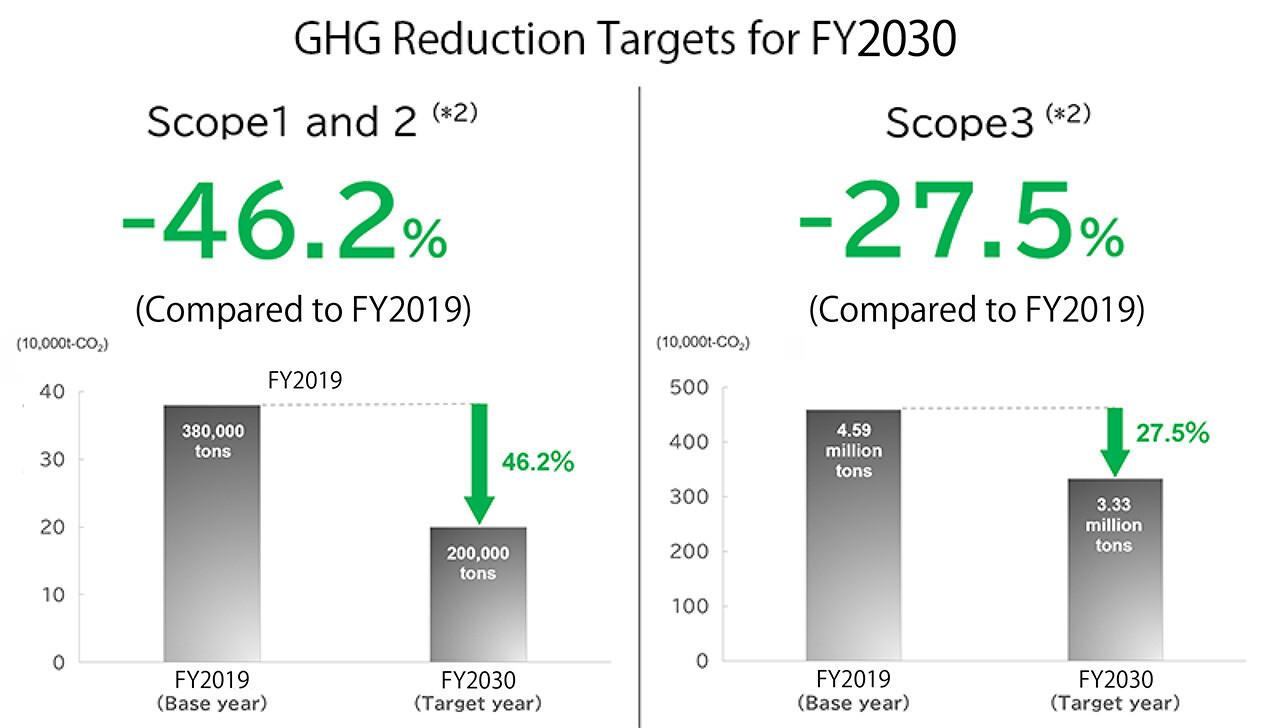
The Environmental Policy sets out efforts to reduce environmental impact through the Group's entire business activities for the realization of a decarbonized society.

- *1 Science Based Targets (SBT)
These are greenhouse gas emission reduction targets set by companies for 5 to 15 years in the future that are consistent with the level sought by the Paris Agreement (aiming to keep the global rise in temperature to well-below 2℃ compared to before the Industrial Revolution, with aims to further constrain this warming to 1.5℃). - *2 Scope1: Direct greenhouse gas emissions by the business operator itself
Scope2: Indirect greenhouse gas emissions accompanying the use of electricity, heat and steam supplied by other companies
Scope3: Indirect greenhouse gas emissions other than Scope1 and 2 (emissions by other companies related to the activities of the businessoperator).The Group's target cover Category1 and 11
Analysis of Current Situation and Issues
Scope1, 2
- In addition to introducing alternative fuels and biofuels, the use of electric and hybrid construction machinery is being gradually expanded to help reduce Scope 1 emissions from diesel fuel usage on construction sites. However, the widespread adoption of these alternative fuels and electric construction machinery face obstacles such as supply constraints and high costs.
- Regarding Scope 2 emissions, the Obayashi Group achieved net-zero status in its Japanese operations in FY2024 by switching to renewable energy and using non-fossil fuel certificates. Our key challenge going forward is to increase the ratio of renewable energy in our Japanese operations without relying on non-fossil fuel certificates. At the same time, reducing emissions in our overseas operations remains an important task.
Scope3
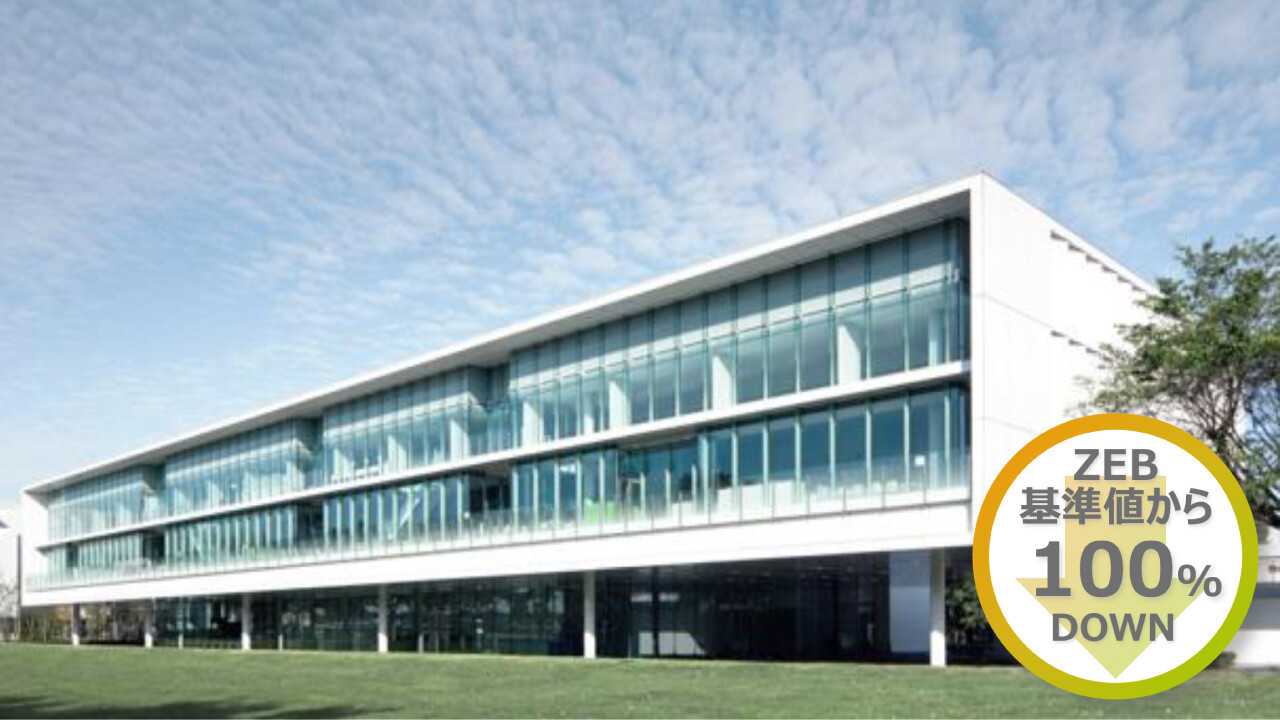
- As a result of building a steady track record in environmentally friendly construction including ZEB, approximately 70% of our design and construction projects achieved ZEB status (including ZEB equivalents) in FY2025. On the other hand, since factors such as the order volume of design and construction projects and the environmental performance of buildings cannot be fully controlled by ourselves, emissions tend to be higher in fiscal years with a large number of project completions.
- To reduce emissions, we are promoting the development of low-carbon materials-related technologies while pursuing resource circulation initiatives that help reduce CO2 emissions.
Future Emissions Reduction Policy
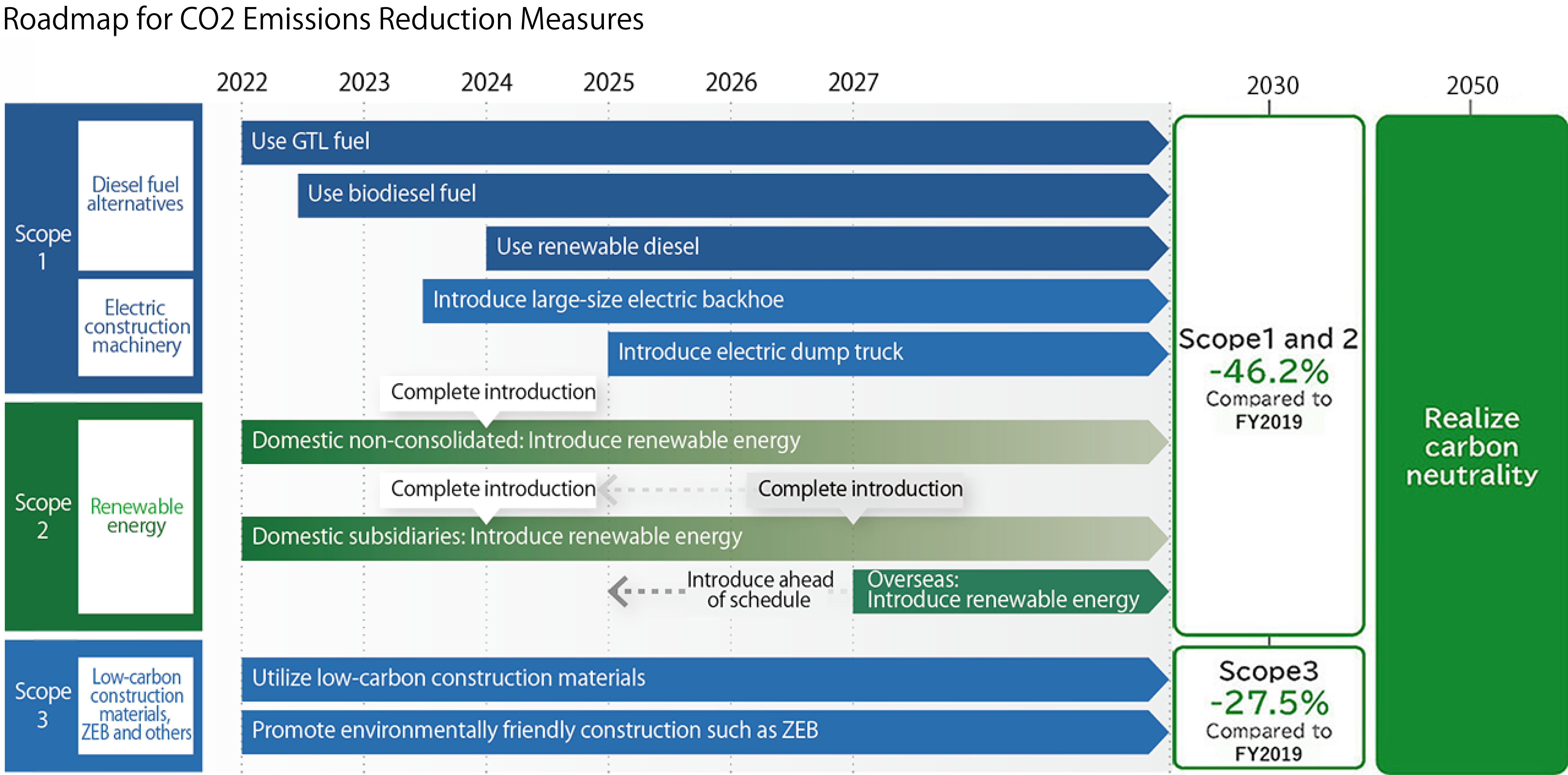
We have developed a roadmap for execution of CO2 emission reduction measures to ensure steady execution of our decarbonization efforts. We are promoting CO2 emission reductions based on this roadmap and will revise the roadmap as necessary according to the execution status and social situation.
Progress in the Reduction of CO2 Emissions and Future Outlook
Scope1, 2
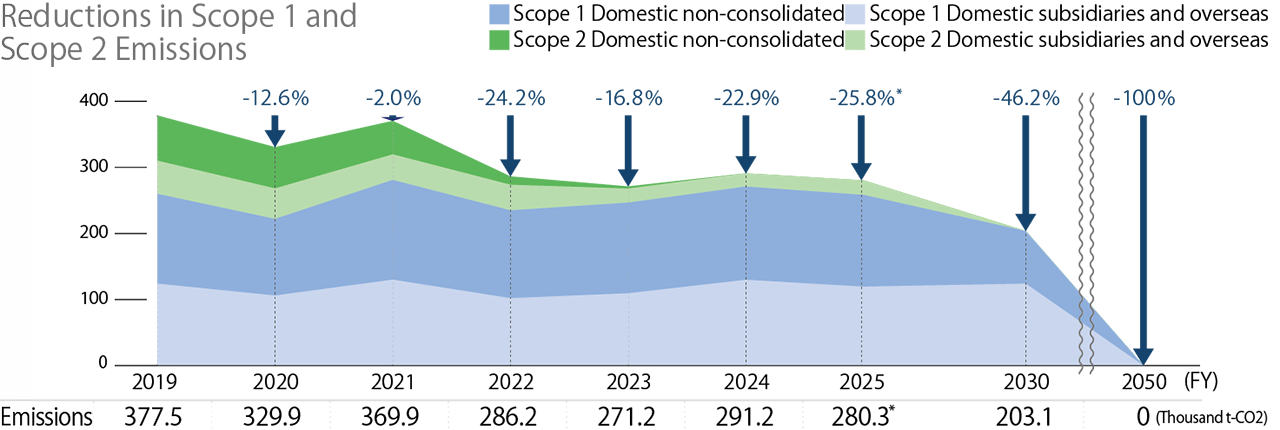
- The Obayashi Group has set a target to reduce Scope 1 and Scope 2 emissions by 46.2% compared to FY2019 levels by FY2030. As of FY2025, the Group has achieved a 25.8% reduction and is accelerating its efforts toward the FY2030 target.
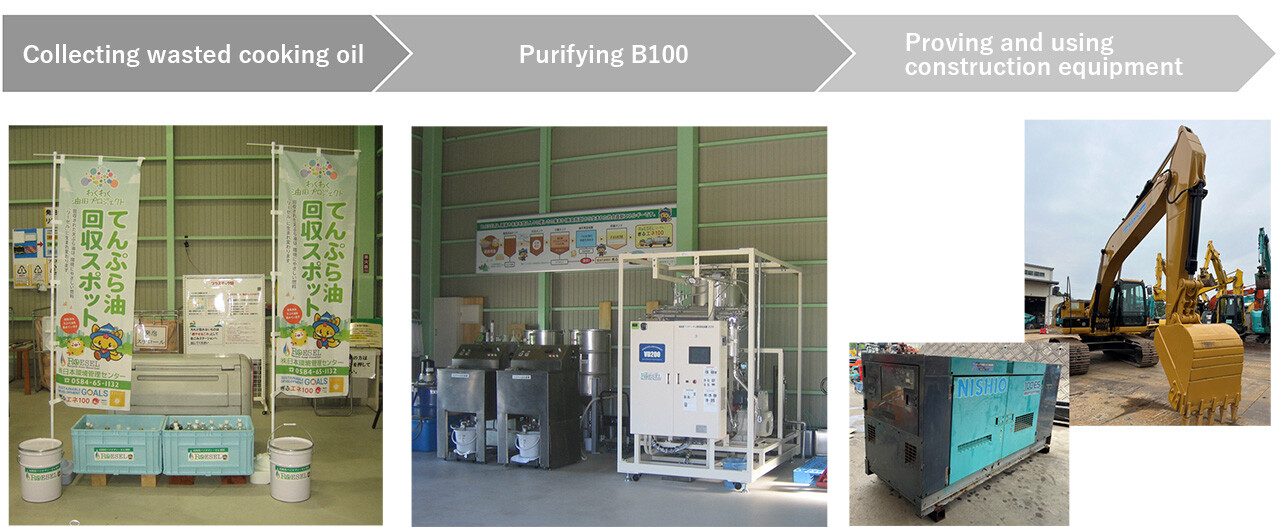
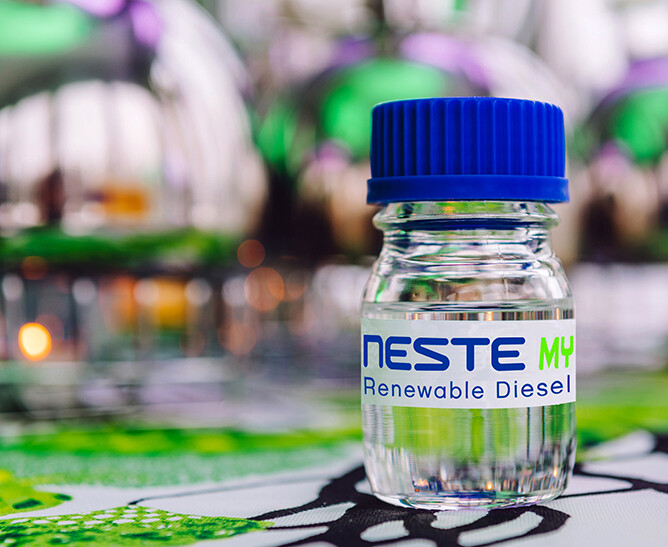
- With regard to Scope 1, we are promoting the use of diesel fuel alternatives, such as GTL, biodiesel, and renewable diesel, to reduce emissions from fuel used at construction sites. We will continue to expand their use while considering factors such as supply conditions and costs, thereby promoting decarbonization at construction sites.
- As for electric construction machinery, we continue to verify its effectiveness through field tests, as well as working to build power supply and charging systems suited to construction plans and standardize operational procedures. We will continue to gather insights on field operations and work to expand its adoption.
- With regard to Scope 2, we continue to achieve net-zero CO2 emissions from electric power consumption in our domestic operations by introducing renewable energy and utilizing non-fossil fuel certificates. Going forward, we will expand the use of renewable energy in phases in our overseas operations as well, and promote emissions reductions across the entire Group.
- *3 GTL
Gas to liquid fuels are diesel fuel alternatives produced from natural gas that are cleaner and cause less environmental impact in CO2 emissions can be achieved by replacing diesel fuel with GTL, while maintaining properties equivalent to those of petroleum products. - *4 renewable diesel
Next-generation biofuels that are produced using a hydro-refining process from raw materials such as waste cooking oil and vegetable oils that do not compete with food supply. Renewable diesel can reduce greenhouse gas emissions by 90% compared derived diesel on a lifecycle assessment basis and can be used as is in vehicles and heavy machinery that run on diesel.
Scope3
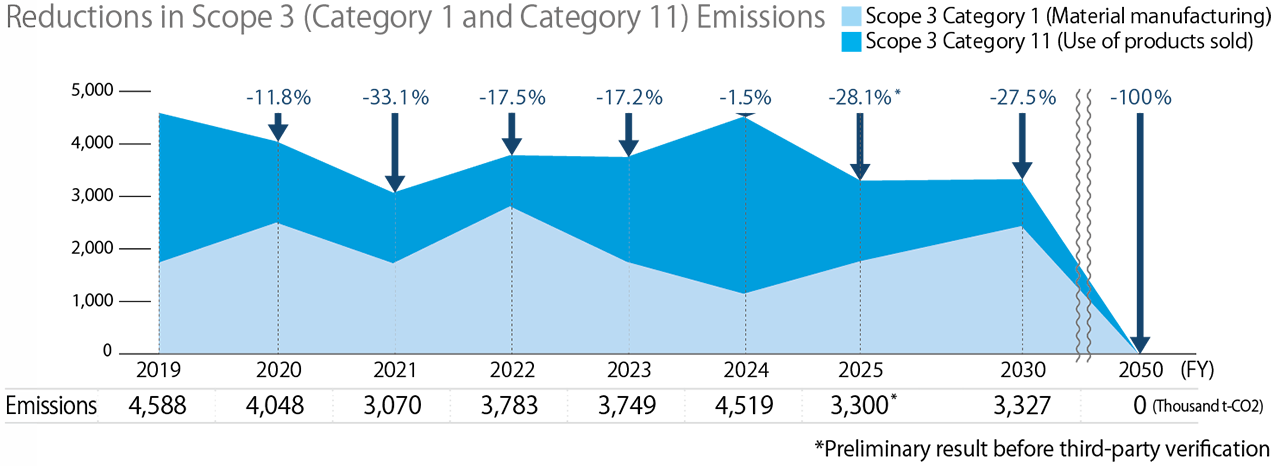
- We will actively expand the application of CleanCrete™, a low-carbon material, to eligible projects to help reduce emissions across the supply chain. we are also working to increase the use of electric arc furnace (EAF) steel by targeting a 30% EAF steel frame usage rate in new construction projects.
- Additionally, we are focusing on promoting environmentally friendly construction, and will continue to advance the use of energy-saving technologies and renewable energy with the goal of achieving 100% ZEB for design and construction projects by FY2030.
- Through expanding the use of low-carbon materials and promoting environmentally friendly construction, we will drive CO2 emission reductions across the entire building lifecycle and lead decarbonization efforts in the construction industry.
Scope1 Reduction Measures
Introduce Diesel Fuel Alternatives
- Most of the CO2 emitted through our business activities is generated from the combustion of the diesel oil we use in construction machinery at construction sites. Considering this, we are working to reduce Scope 1 emissions by actively utilizing diesel fuel alternatives that help lower CO2 emissions. In FY2025, our usage increased compared to the previous fiscal year, expanding across construction sites nationwide, including Tokyo and Osaka. For CO2 emissions that cannot be fully reduced using these alternatives, we promote reductions through the Third-party Certification Scheme for Carbon Offsetting Program(*5), for which the Ministry of the Environment of Japan provides guidelines. For the future, we also continue to work for utilizing hydrogen fuel.
We will also continue to work with a view to hydrogen fuel in the future.
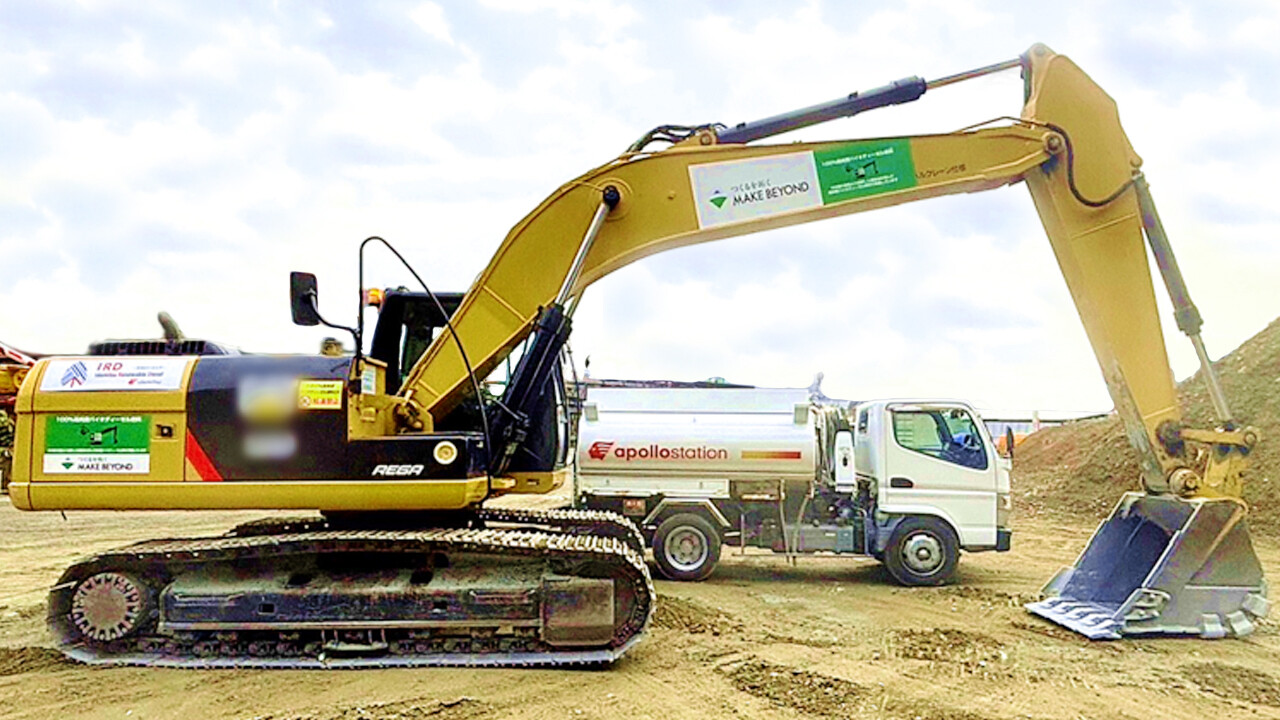
- *5 This is a system in which the Ministry of the Environment provides guidelines and the Carbon Offset Association administrates; It provides certification by registered certification bodies certifying initiatives in which companies and organizations offset greenhouse gas emissions that are difficult to reduce through the use of credits and other means. The Science Based Targets initiative (SBTi), which establishes the rules and provides certification for Science Based Targets (SBTs), does not recognize the use of carbon credits or other offsets as actual emission reductions when calculating progress toward SBTs; therefore, such measures are not included in strategies aimed at achieving CO2 reduction targets based on SBTs.
Introduce ICT Labor-saving Construction and Hybrid and Electric Construction Machinery (Scope1)
- We are promoting the expansion of labor-saving construction using ICT, as well as the introduction of hybrid and electric construction machinery (such as large-size electric backhoes and electric dump trucks) in line with manufacturers' market launch plans, thereby accumulating operational track records in the field. Going forward, we will drive further adoption by establishing power supply and charging systems tailored to construction site conditions, as well as refining our operational expertise.
-
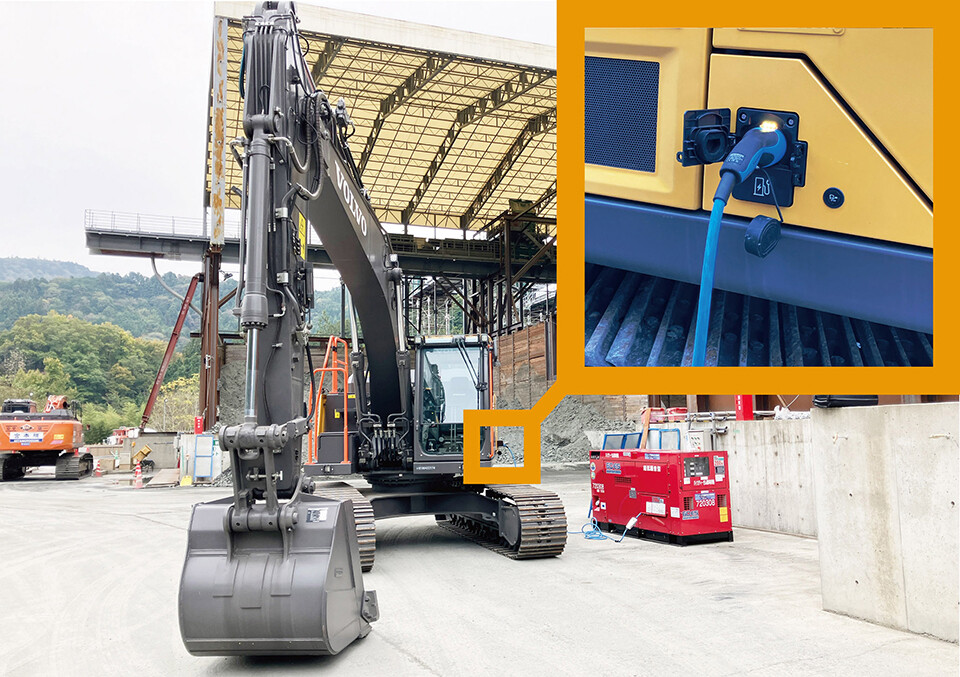
Charging by a generater for B100
-
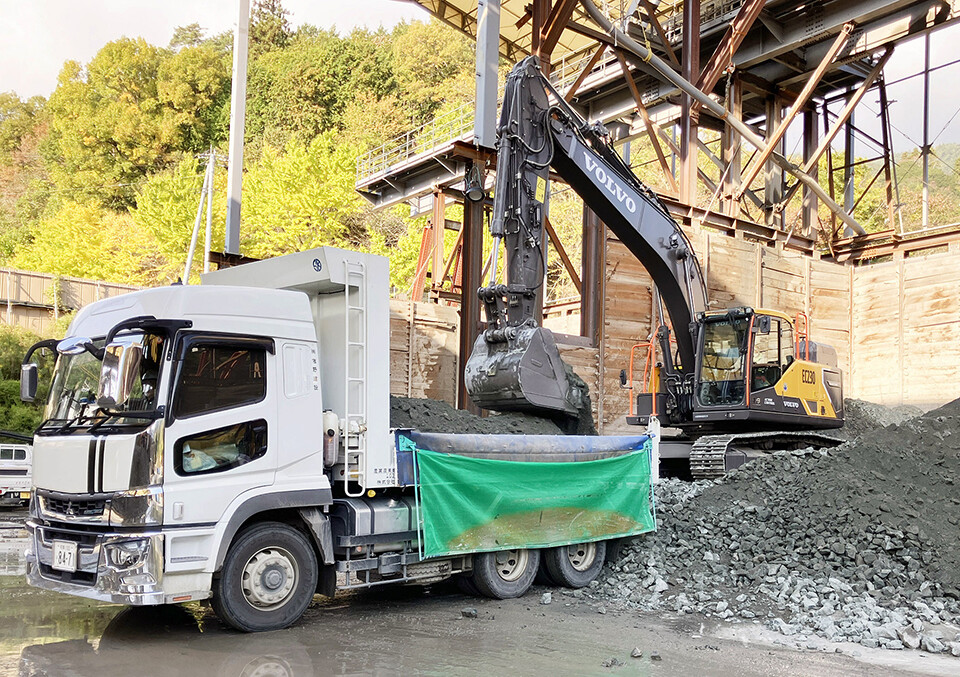
Battery-powered hydraulic excavator
Scope2 Reduction Measures
Convert to Renewable Energy (Scope2)
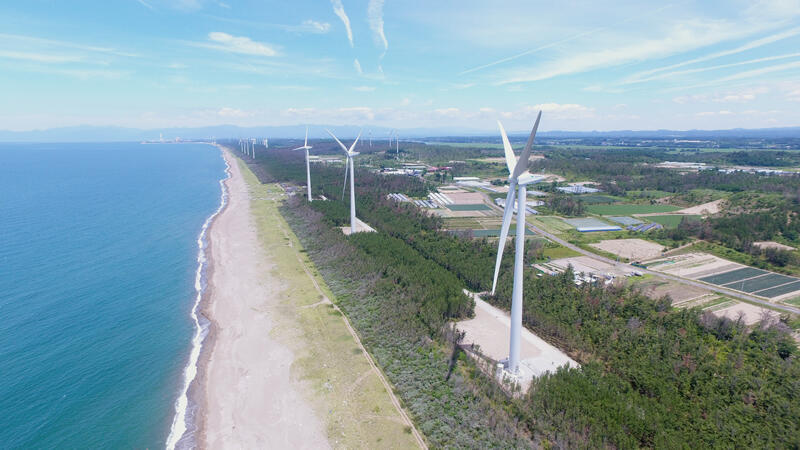
- We will also sequentially switch to renewable energy for electricity used at our construction sites, office buildings and real estate properties for lease, aiming at Scope2 decarbonization of the Group by 2030.
Targets and Results for renewable energy electricity usage ratio
| Results | Targets | ||
|---|---|---|---|
| FY2024 | FY2025 | FY2030 | |
| Non-consolidated | 100% | 100%(*6) | 100% |
| Domestic subsidiaries | |||
| Overseas | |||
- *6 FY2025 data is pre-third party verification results
Scope3 Reduction Measures (Category1 Purchased goods/services)
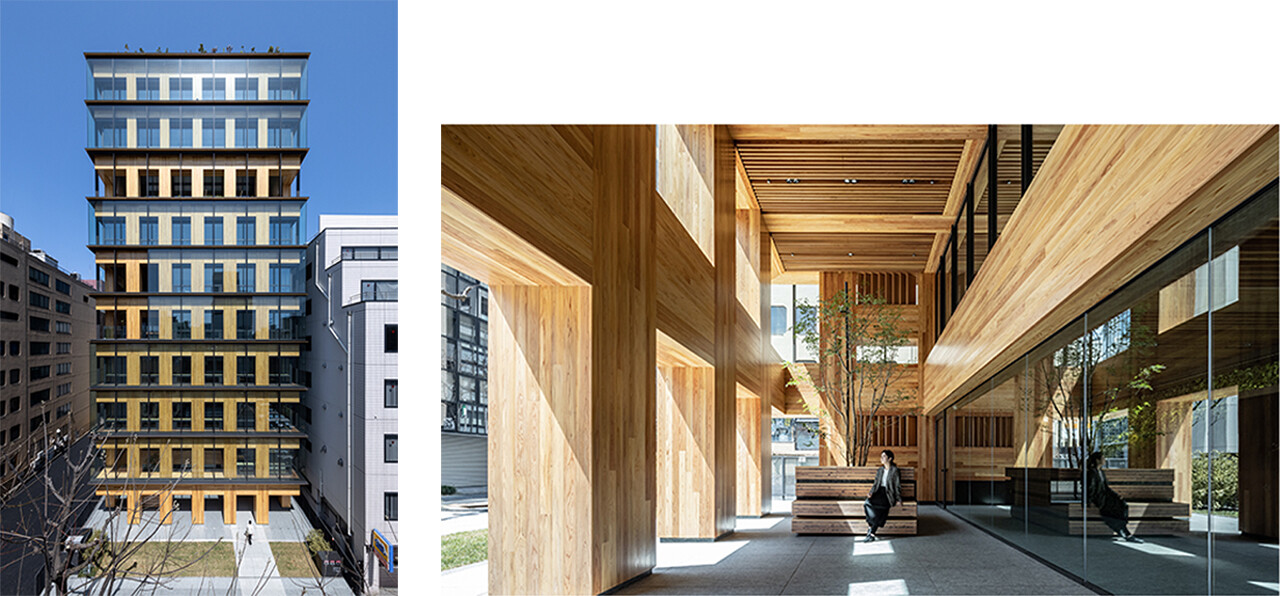
Utilize Low-carbon Materials (Promote wooden structures and interiors and Other Initiatives) (Scope3)
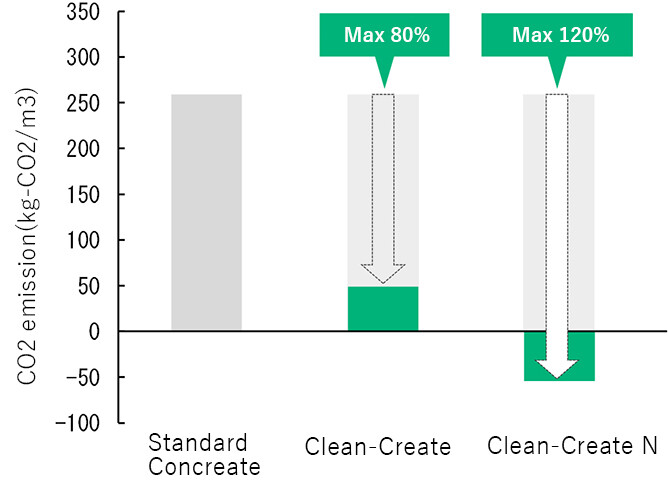
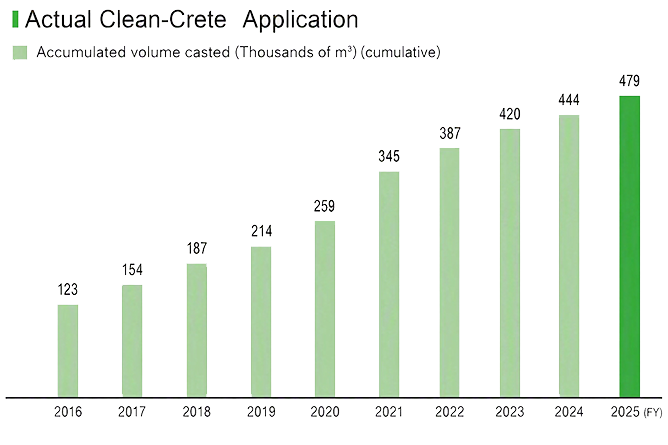
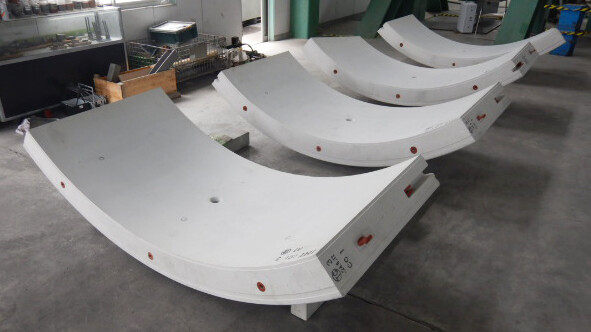
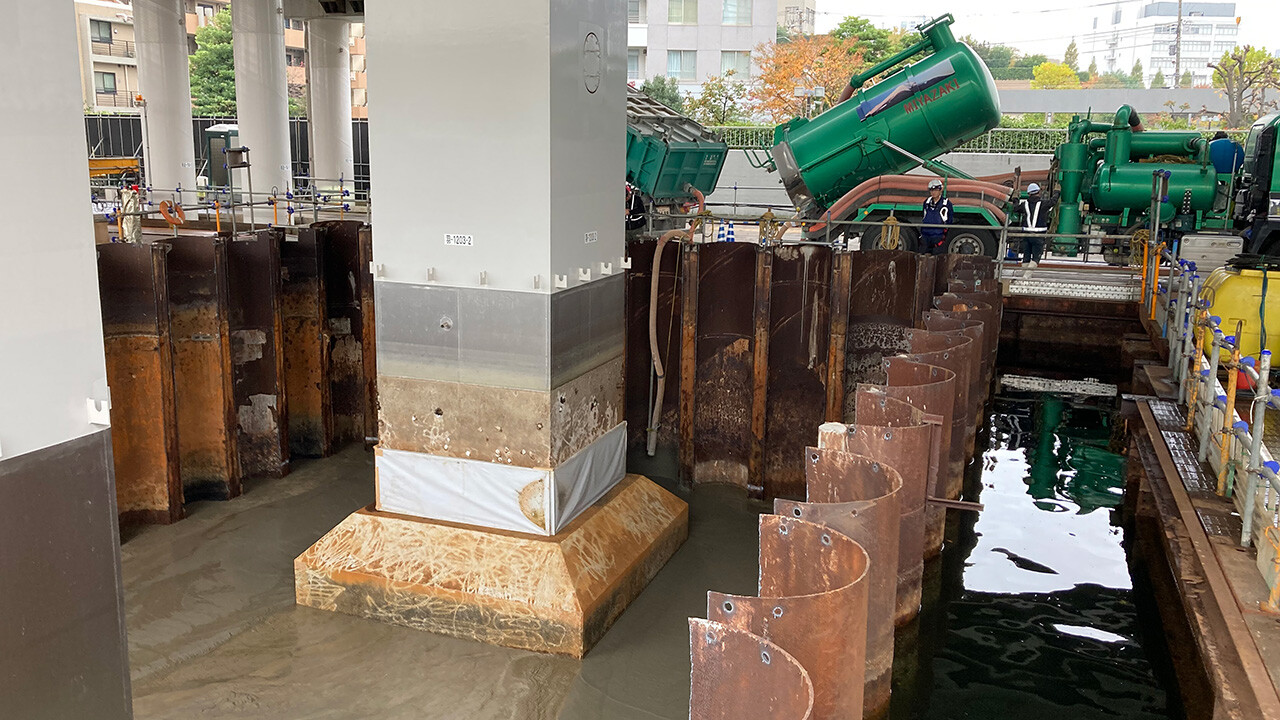
- In collaboration with our supply chain partners and other stakeholders, we are promoting the development and widespread adoption of low-carbon materials to reduce CO2 emissions during the materials manufacturing stage. CleanCrete™, a low-carbon concrete we developed in 2010, can reduce CO2 emissions by up to 80% compared with conventional concrete, and its cumulative pouring volume has reached 479,000 m³ as of the end of FY2025. In addition, we are advancing the development and practical application of technologies and materials that contribute to further CO2 reductions and carbon fixation, such as CleanCrete N™, which utilizes industrial by-products, and LigninCrete™, which utilizes lignin derived from woody biomass.
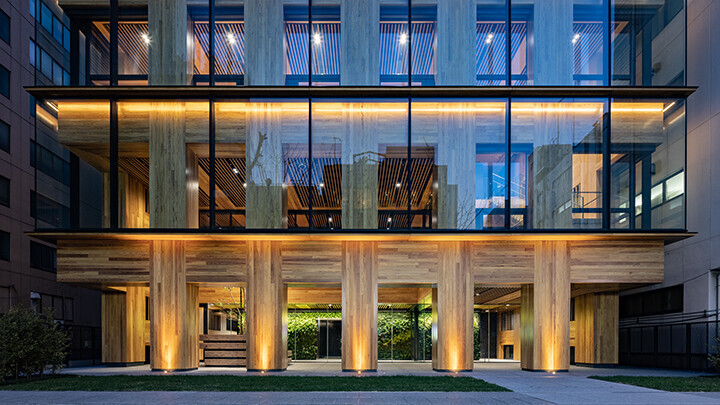
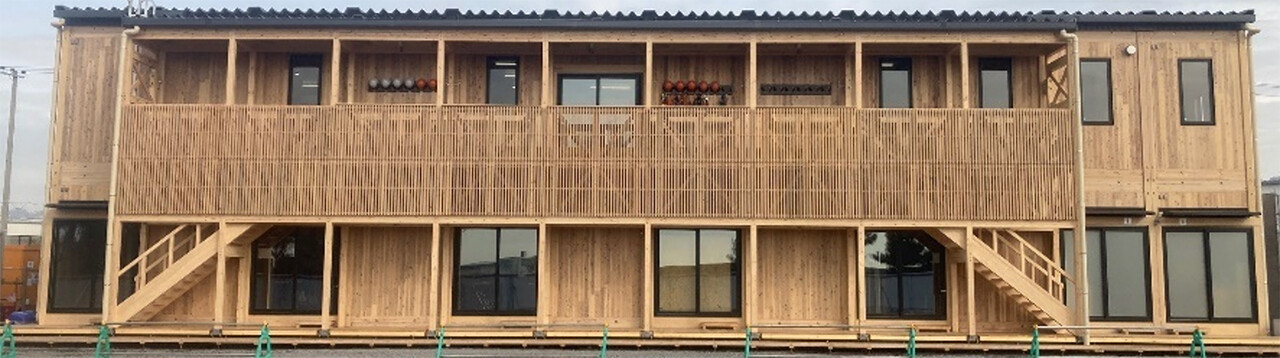
Alongside promoting wooden structures and interiors for large-scale buildings, we are working to reduce CO2 emissions from building material manufacturing to construction by expanding the use of electric arc furnace (EAF) steel frames and reused materials.
| Targets | |
|---|---|
| CleanCrete | 50,000m³/year |
| Electric furnace steel | 30% usage rate in new construction projects |
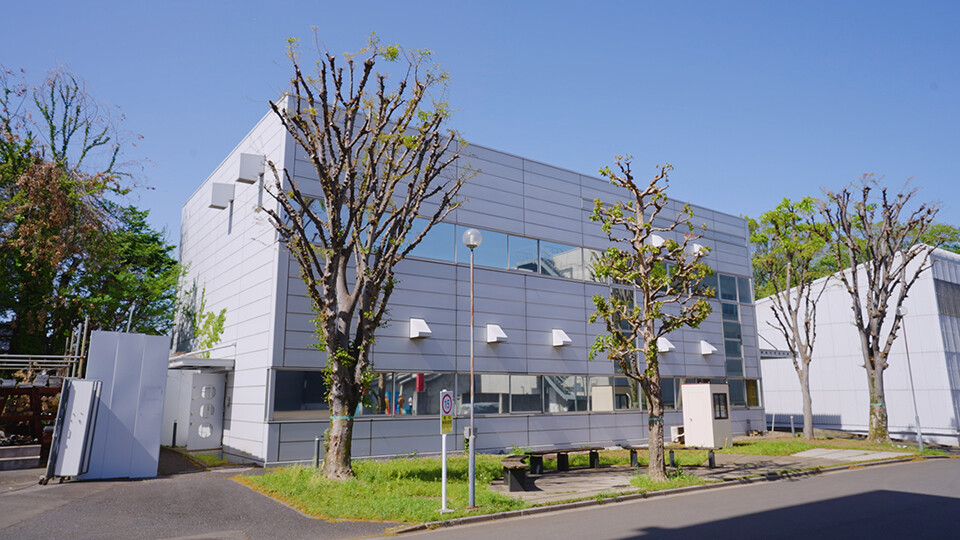
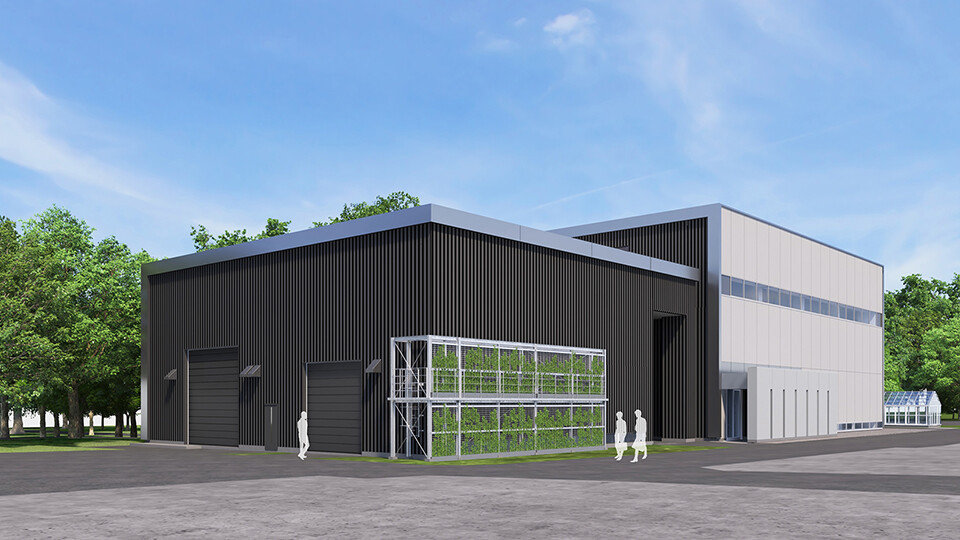
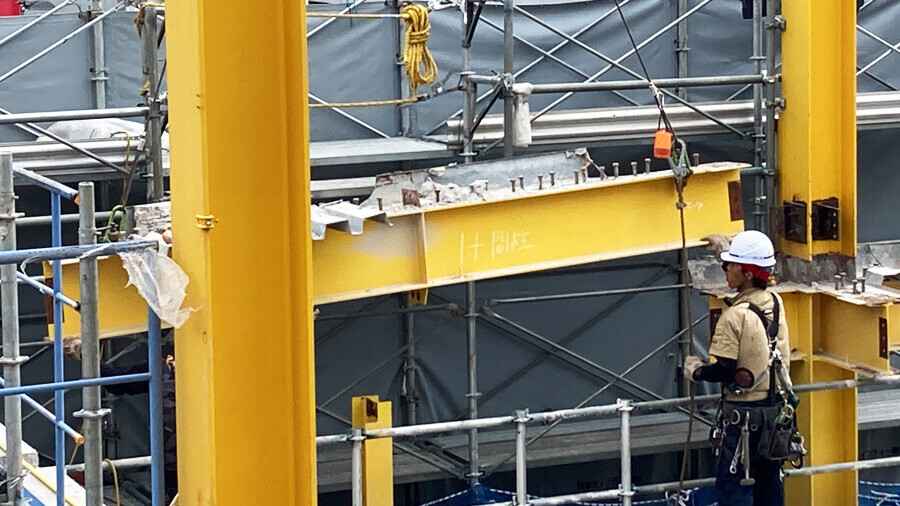
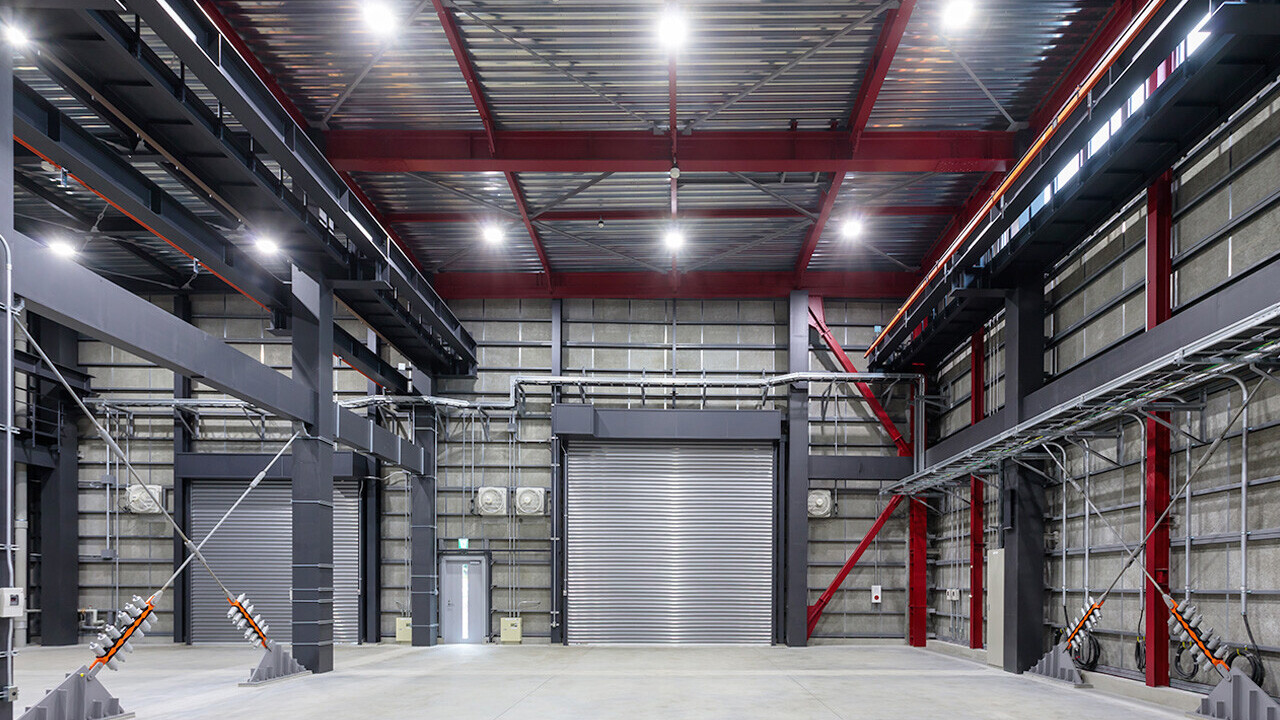
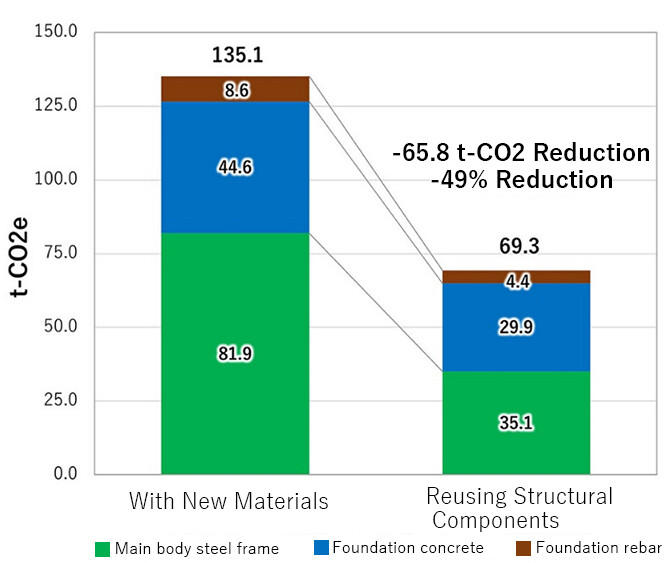
Open Lab 3 (formerly the Electromagnetic Engineering Laboratory) reduces CO2 emissions by reusing structural components
Using Internal Carbon Pricing (ICP)
- To promote the use of low carbon materials such as CleanCrete, electric furnace iron frame, as well as wooden buildings, we have introduced internal carbon pricing (ICP). We use ICP to stimulate investment in the research and development of low-carbon materials. ICP unit price is set at 10,000yen/t-CO2 considering market unit price forecast by an external organization and with reference to the unit price reflecting the CO2 reduction effect of low-carbon materials. However, it will be revised accordingly in line with changes in market unit prices. We will use ICP to visualize reduction effects, evaluate actual performance at construction sites, and promote the use of low-carbon materials during the planning stage.
Scope3 Reduction Measures (Category11 Use of sold products)
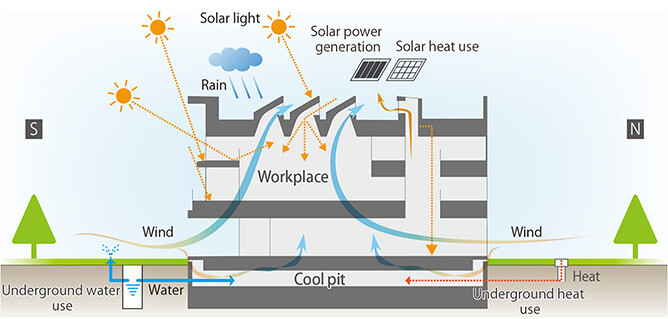
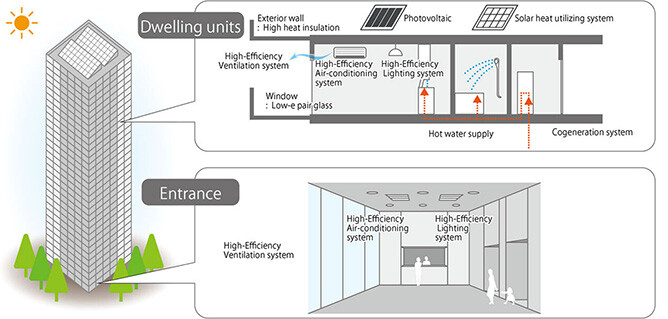
Promote and Expand ZEB/ZEH-M
- We are also working to reduce the CO2 emitted during the operation of the buildings we deliver to our customers in addition to reducing the CO2 emitted from our business activities. Carbon Design Tool "E-CO BUILDER™" enables comparison of CO2 reduction benefits and cost increases or decreases at the early planning stage of building projects. Through the development of such tools, we propose the optimal ZEB/ZEH-M(*7) to our customers with the latest energy-saving technologies and expertise according to the purposes and characteristics of the building.
- *7 ZEB/ZEH-M (Net Zero Energy Building/House-Mansion)
A building or a house that consumes zero net primary energy while still providing a comfortable indoor environment
Fiscal Year 2030 Targets
ZEB Target (*8)
| Registration Type |
Type of Work |
Target Value to Be Set |
Building Size / Building Use | |||
|---|---|---|---|---|---|---|
| Less than 10,000m² | 10,000m² or more | |||||
| Offices, schools, factories, etc. |
Hotels, hospitals, department stores, restaurants, community centers, etc. |
Offices, schools, factories, etc. |
Hotels, hospitals, department stores, restaurants, community centers, etc. |
|||
| Design | New Construction | A) ZEB Adoption Rate |
66% | 10% | 100% | 100% |
| Existing Buildings |
B) Actual growth rate |
20% | 20% | 20% | 20% | |
ZEH-M Target (*9)
| Building Size | Overall ZEH-M adoption target for fiscal year 2030 (%) |
Penetration Target Exceeding the Target Level (%) |
|---|---|---|
| Low-rise | 100 | 100 |
| Mid-rise | 100 | 100 |
| High-rise and above | 100 | 100 |
| Total | 100 | - |
Results Compared to the FY2025 Target (*8)
| Category | Scale | ZEB-Equivalent Order History |
Percentage of ZEB-Equivalent Orders (Total Floor Area Ratio) |
|---|---|---|---|
| New Construction | Less than 300m² | 14 | 51% |
| 300-2,000m² | 8 | 86% | |
| 2,000m² or more | 10 | 71% |
In FY2025, there were no results in the following categories:
- Design orders for existing buildings and consulting services reported under the ZEB Planner program
- ZEH projects reported under the ZEH Developer program
- *8 Goals as a ZEB Planner
- *9 Goals as a ZEH Developer
TCFD Disclosure
In July 2020 we declared our support for the Task Force on Climate-related Financial Disclosures (TCFD). We conducted scenario analysis to identify and assess climate-related risks and opportunities and understand the medium- to long-term impacts that climate problems may have on our business, and then in November 2020, in light of our analysis results, we disclosed climate-related information based on the TCFD recommendations. We updated our disclosures in April 2024 in response to needs in society, including the issuance of "IFRS Sustainability Disclosure Standards" developed by the International Sustainability Standards Board (ISSB).
Promote Technological Development That Contributes to Decarbonization
We will collaborate with those in other industries to promote technological development that contributes to carbon neutrality including the use of hydrogen in addition to the development of new energy-saving construction methods and low-fuel consumption and electric construction machinery technology.
- Energy-efficient Construction ZEB (Available only in Japanese)
- OBAYASHI WOOD VISION (Available only in Japanese)
- Port Plus (Available only in Japanese)
- LOOP50 (Available only in Japanese)
- Started introducing GX construction machinery in construction projects (April 25,2024)